

El Niño could bring a wetter-than-average winter to Southern California and other parts of the Southwest. NOAA's 2026–2027 Winter Outlook favors wetter conditions across much of the southern United States from December 2026 through February 2027. While seasonal forecasts cannot guarantee how much rain a particular area will receive, now is a smart time to prepare your truck for the months ahead.
For truck owners, that preparation can include checking tires, inspecting suspension components, and planning upgrades for the adventures ahead. If you've been thinking about giving your pickup a more aggressive stance, exploring ground-clearance options, or building a truck that's ready for suitable off-road exploration, a lift or leveling setup may be worth considering.
Here's how changing your truck's ride height can affect your build and what to know before upgrading.
1. Get More Ground Clearance
One benefit of a properly selected lift setup is the potential for increased ground clearance. Depending on the components installed, changing ride height or fitting compatible larger tires can create additional space between certain parts of your truck and the terrain. That extra clearance can be useful on uneven dirt roads, rocky trails, and rutted paths where the ground may be rough after rainfall.
Keep in mind that actual clearance gains depend on the lift design, tire size, and vehicle configuration. A modest lift or leveling setup can make a noticeable difference to your truck's stance, but it will not necessarily increase clearance beneath every component. A lift also does not make flooded roads safe to cross and should never be treated as protection against flash floods.
2. Give Your Truck a More Aggressive Stance
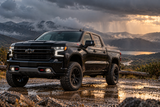
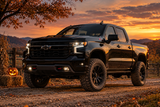
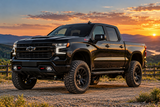
Let's be honest: one reason truck owners love lift kits is the look! A pickup with a taller, more commanding profile can stand out on the road and reflect your personal style. Pairing the right suspension components with compatible wheels and tires can create a cohesive, rugged appearance.
A leveling kit may help reduce the factory nose-down stance on compatible trucks, while suitable rear lift components can adjust rear ride height. You don't need an extreme suspension lift to make your truck look bolder. If you've been waiting for the right time to upgrade your pickup's appearance, the lead-up to winter can be a great opportunity to plan your build.
3. Make Room for a Bigger Tire Setup
Bigger tires are a popular choice for truck owners who want a more substantial stance and improved capability on certain off-road surfaces. Depending on your truck and suspension configuration, a lift or leveling setup may provide additional room for a larger tire combination.
Before choosing your parts, check your truck's year, make, model, wheel offset, tire dimensions, and suspension geometry. A lift kit does not guarantee that every larger tire will fit without rubbing. Planning the ride-height change and tire combination together can help you avoid fitment problems and create a more balanced build.
4. Prepare Your Suspension for the Terrain You Drive
Rain can change trail conditions quickly. Dirt roads may develop ruts, loose surfaces can become slippery, and previously easy routes may become more challenging. Your truck's suspension plays an important role in how it handles uneven terrain.
Before heading into winter, inspect your shocks, springs, bushings, tires, and other relevant components for wear or damage. A lift can change ride height and suspension geometry, but it is not a substitute for a well-maintained suspension system.
The right setup depends on your truck and how you intend to use it. If you regularly explore off-road trails, consider your typical terrain, payload, tire requirements, and desired ride characteristics before selecting an upgrade.
5. Understand How a Lift Affects Safety
A properly selected and installed lift or leveling setup can help achieve your desired ride height, but safe driving still depends on the entire vehicle. Prioritize compatible components, correct alignment, and regular suspension inspections. Make sure your tires have appropriate tread and are inflated to the recommended pressure.
When roads are wet, reduce your speed, leave additional following distance, and avoid sudden braking or steering. Even a lifted truck with large tires can lose traction on slick pavement.
According to the National Highway Traffic Safety Administration's severe-weather driving guidance, just two feet of rushing water can carry away most trucks and SUVs. Never drive through floodwater. If a road is flooded or blocked, turn around and find another route. The goal is to build a truck that suits your needs while preserving safe, predictable handling.
6. Choose the Right Lift Components for Your Truck
Not every truck needs the same upgrade. Your ideal setup depends on your desired ride height, budget, vehicle configuration, and intended use. For many truck owners, a modest ride-height adjustment can deliver the look they're after without going overboard.
Here are a few suspension components worth exploring:
- Leveling kits: Can help create a more balanced front-to-rear appearance on compatible trucks.
- Rear lift blocks: Can raise the rear of certain trucks when used with a compatible suspension design.
- Add-a-leaf kits: Can increase rear leaf-spring height on compatible vehicles and may suit specific suspension or load requirements, depending on the product.
- U-bolts and suspension hardware: Must match the vehicle and the components being installed.
Before purchasing, verify product compatibility and installation requirements. Also budget for any necessary alignment, additional components, and professional labor. A carefully planned upgrade can help you achieve the stance you want without buying parts that do not work with your truck.
7. Get Your Truck Ready for Winter Adventures
El Niño season is a good reminder to take a closer look at your vehicle, especially if you plan to drive on dirt roads or explore off-road destinations during the cooler months.
Along with considering a lift or leveling setup, make time for these essential checks:
- Inspect tire tread and pressure.
- Check brakes, suspension components, and windshield wipers.
- Test headlights, brake lights, and other exterior lighting.
- Keep an emergency kit and a charged phone in your vehicle.
- Check weather forecasts, road closures, and trail conditions before leaving.
- Avoid closed trails, unstable slopes, and areas with flood warnings.
A lift can be one part of a larger truck upgrade plan, but preparation, maintenance, and responsible driving remain essential when conditions change.
It's Time to Raise Your Ride
El Niño may bring a wetter winter to Southern California, but you don't have to wait for the first storm to start planning your next truck upgrade. A compatible lift or leveling setup can help you create a more aggressive stance and explore additional ground-clearance options for suitable off-road adventures. The key is choosing components that fit your vehicle and installing them correctly.
Ready to give your pickup a bolder look before winter arrives? Explore the available leveling kits, rear lift blocks, add-a-leaf kits, and suspension components from Gravex Offroad Lifts to find options for your next project.
Stand taller. Build bolder. Reap the road. Shop Gravex Offroad Lifts today and start planning your truck's next transformation. Built to stand above the rest.
0 comments